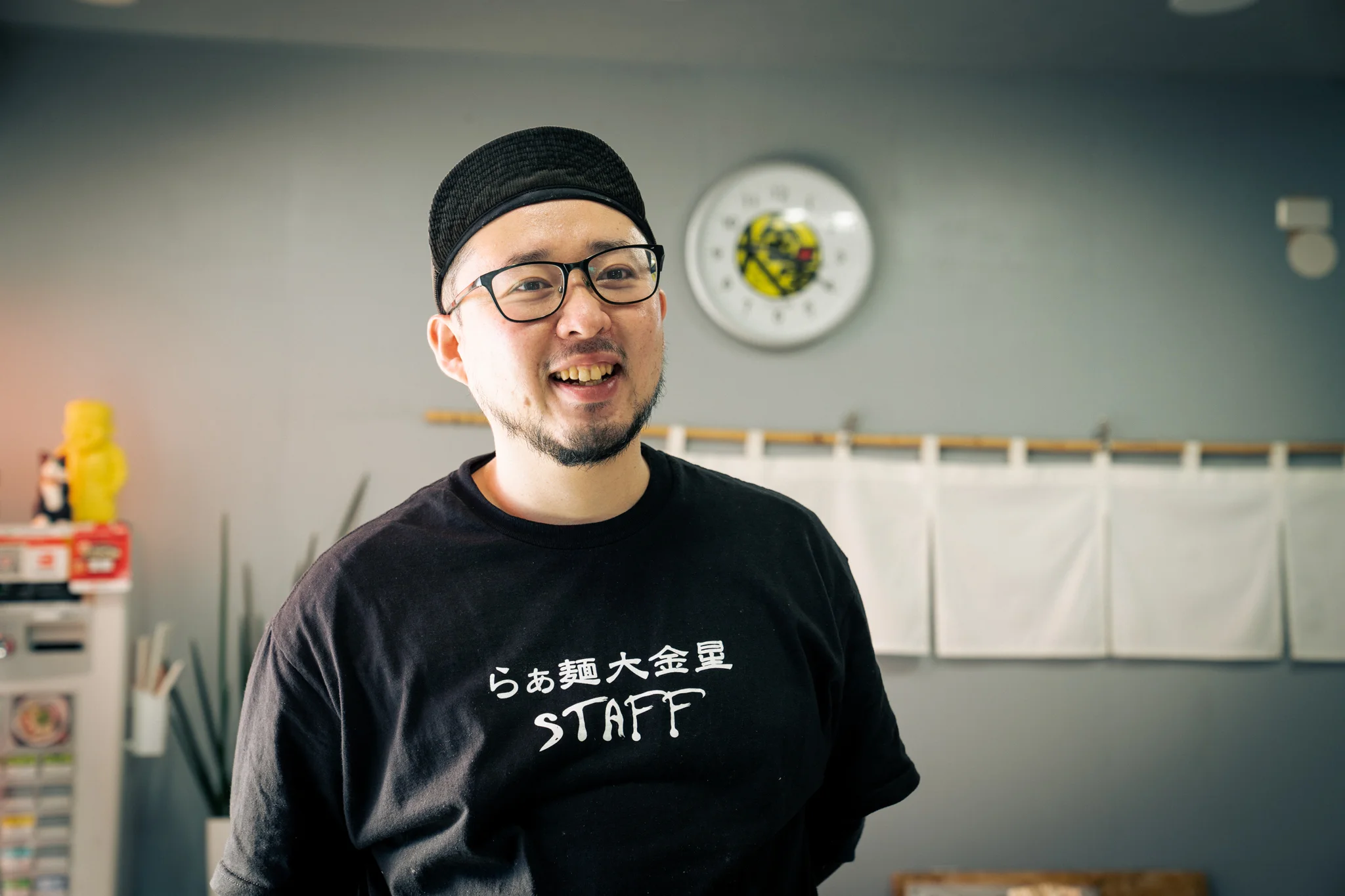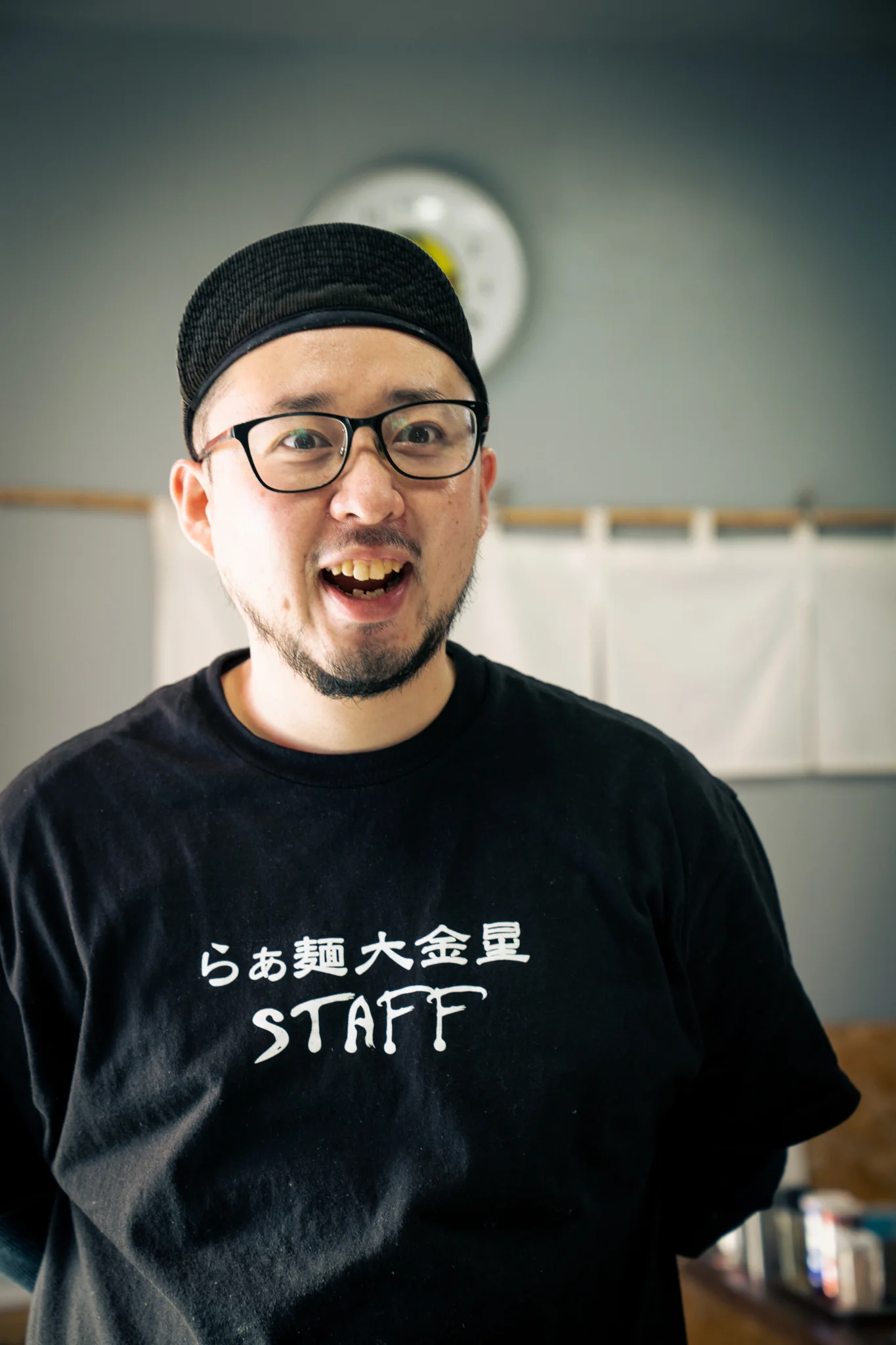
Ramen Daikinboshi is a hugely popular ramen shop in Yokoze Town, Saitama Prefecture. With a menu of limited-edition specials that changes almost daily and owner Yoshitaka Yamamoto's relentless curiosity, it's no wonder the locals keep coming back for more. We sat down with Yamamoto, a Chichibu native, to hear about the path he's walked and what lies ahead.
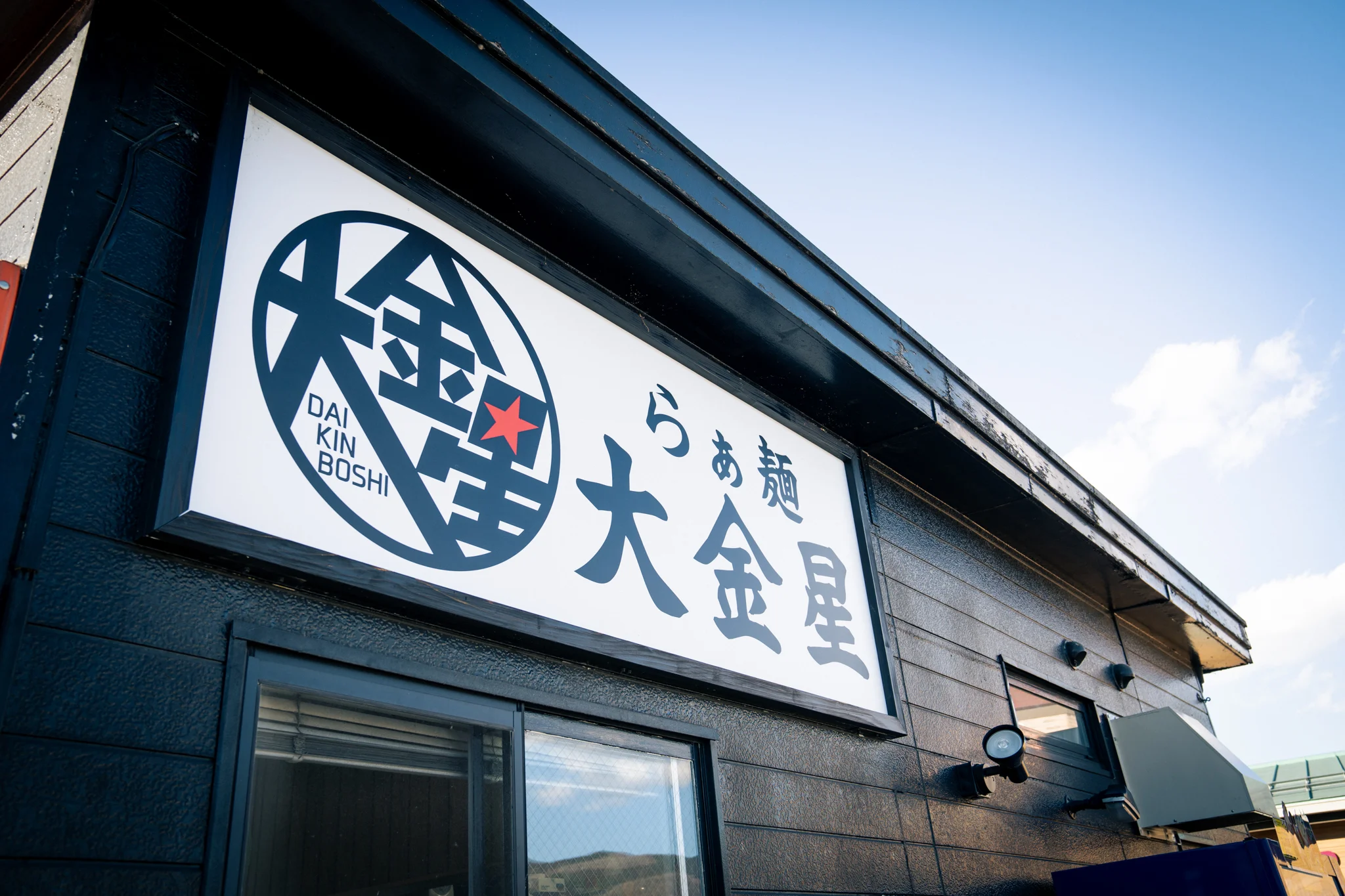
01 How Daikinboshi ended up in Yokoze
 Asami
AsamiYou're running a very popular ramen shop here in Yokoze. Lines form regularly, and you have a loyal following. Could you start with a brief self-introduction?
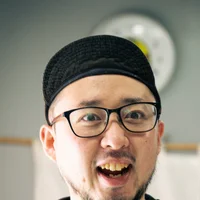 Yamamoto
I started Ramen Daikinboshi in Yokoze, and it's been about four and a half years now. I didn't originally have ties to Yokoze, but I was born in Chichibu, and I wanted to come back to the area and open some kind of restaurant. That was when I was around 25 or 26. From there, I set my sights on opening a ramen shop.
I found a good property here in Yokoze, and with guidance and help from so many people, I've managed to keep it going ever since.
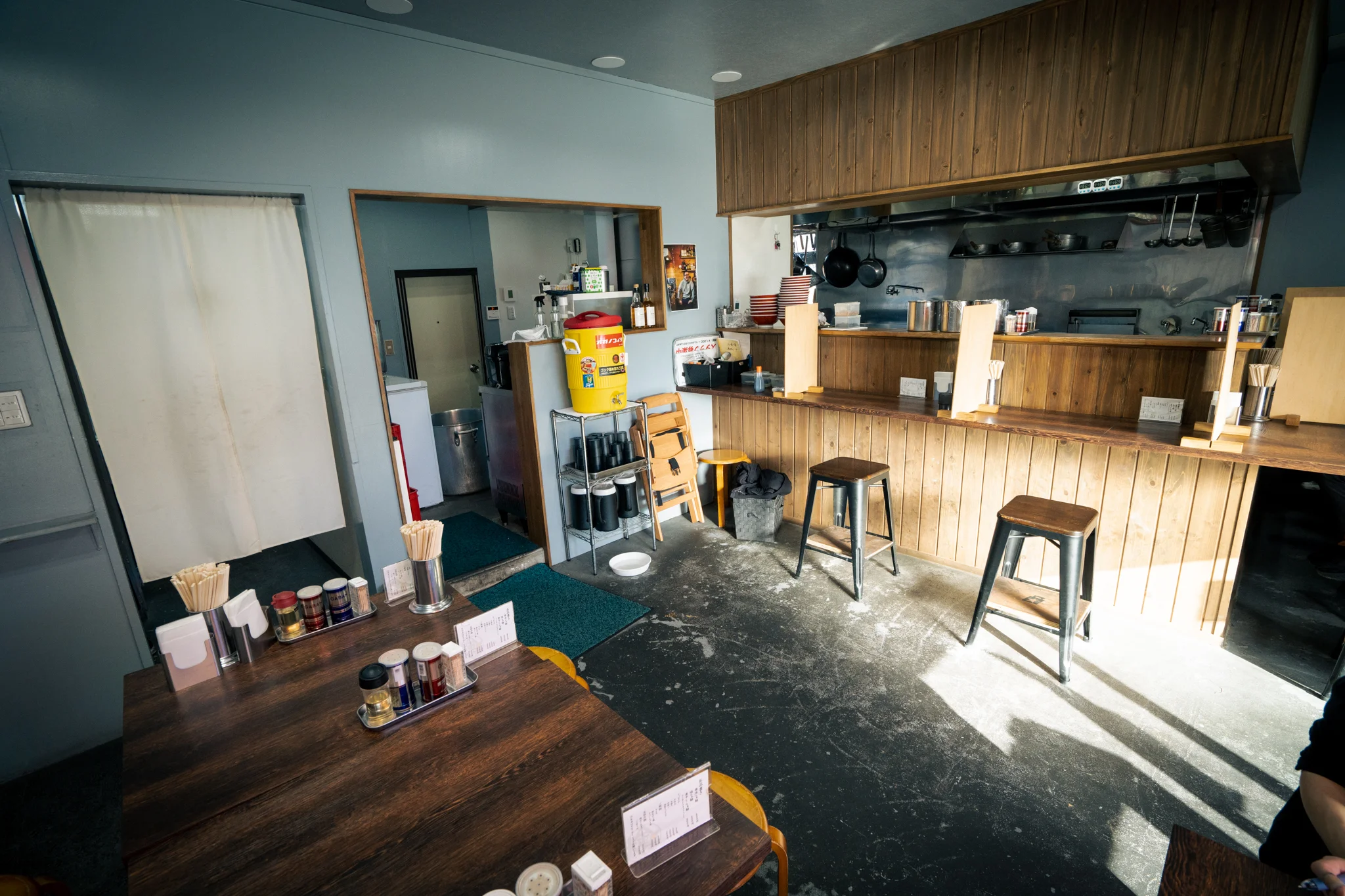
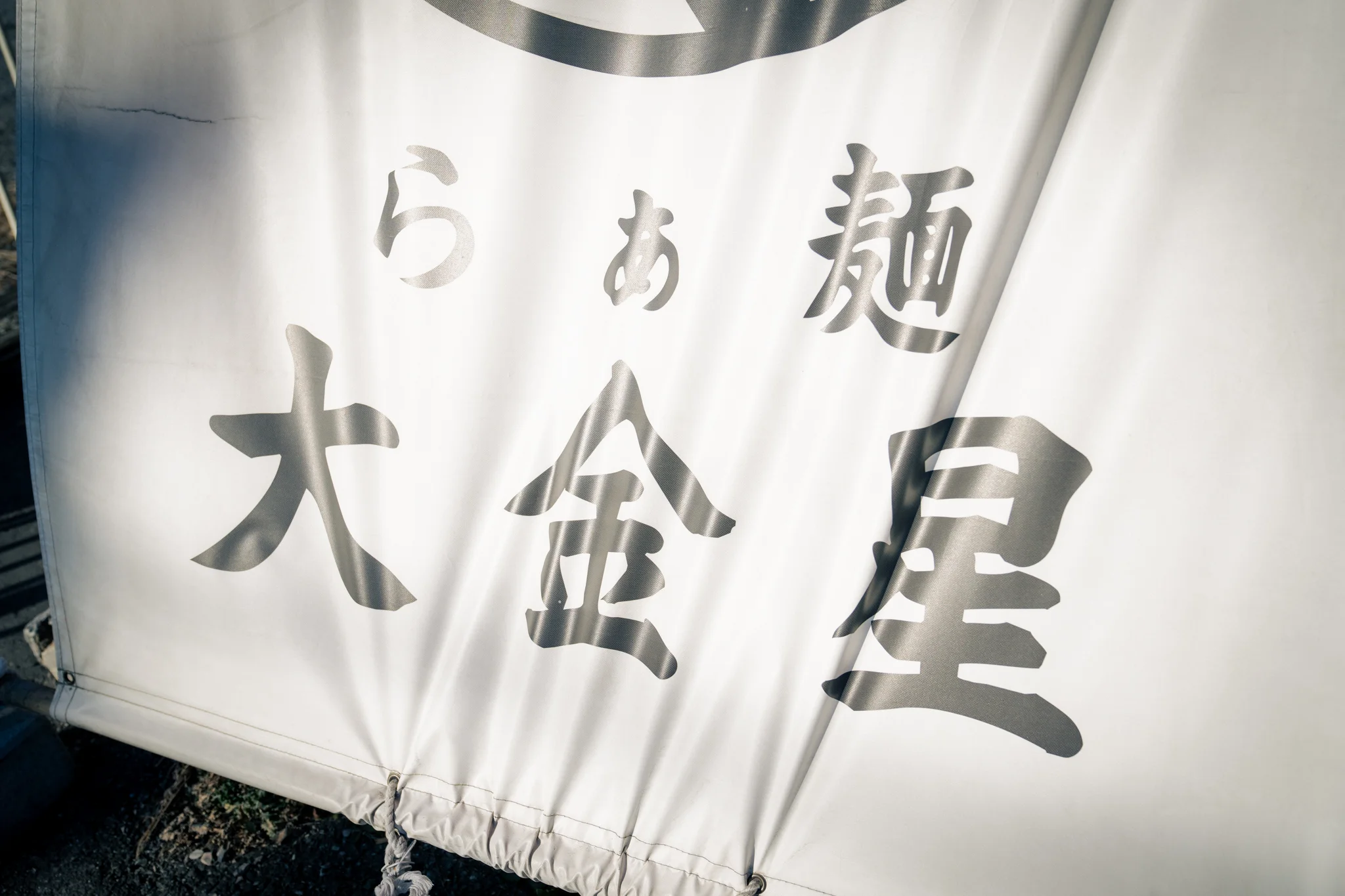
02 Attention to detail, even on the regular menu
AsamiMany people have probably been to Daikinboshi before, but for those who haven't, could you give us a quick overview of your regular menu and what makes it special?
YamamotoOur regular menu consists of soy sauce ramen, salt ramen, niboshi (dried sardine) ramen, and kombu-water tsukemen (dipping noodles).
For the soy sauce ramen, we use a blend of four different soy sauces.
AsamiWow.
YamamotoThat gives it a crisp, sharp broth. Right now, the base is a chicken and pork broth -- a light, clear chintan-style soup. We blend all four soy sauces into it.
AsamiWhat kind of criteria do you use when blending them?
YamamotoFirst, I do a trial blend and taste it. Then I figure out what each soy sauce brings to the table, and if I think, "I want to bring out more of this flavor," I increase that proportion.
Using just one type doesn't give you much depth. Each one has its own strengths.
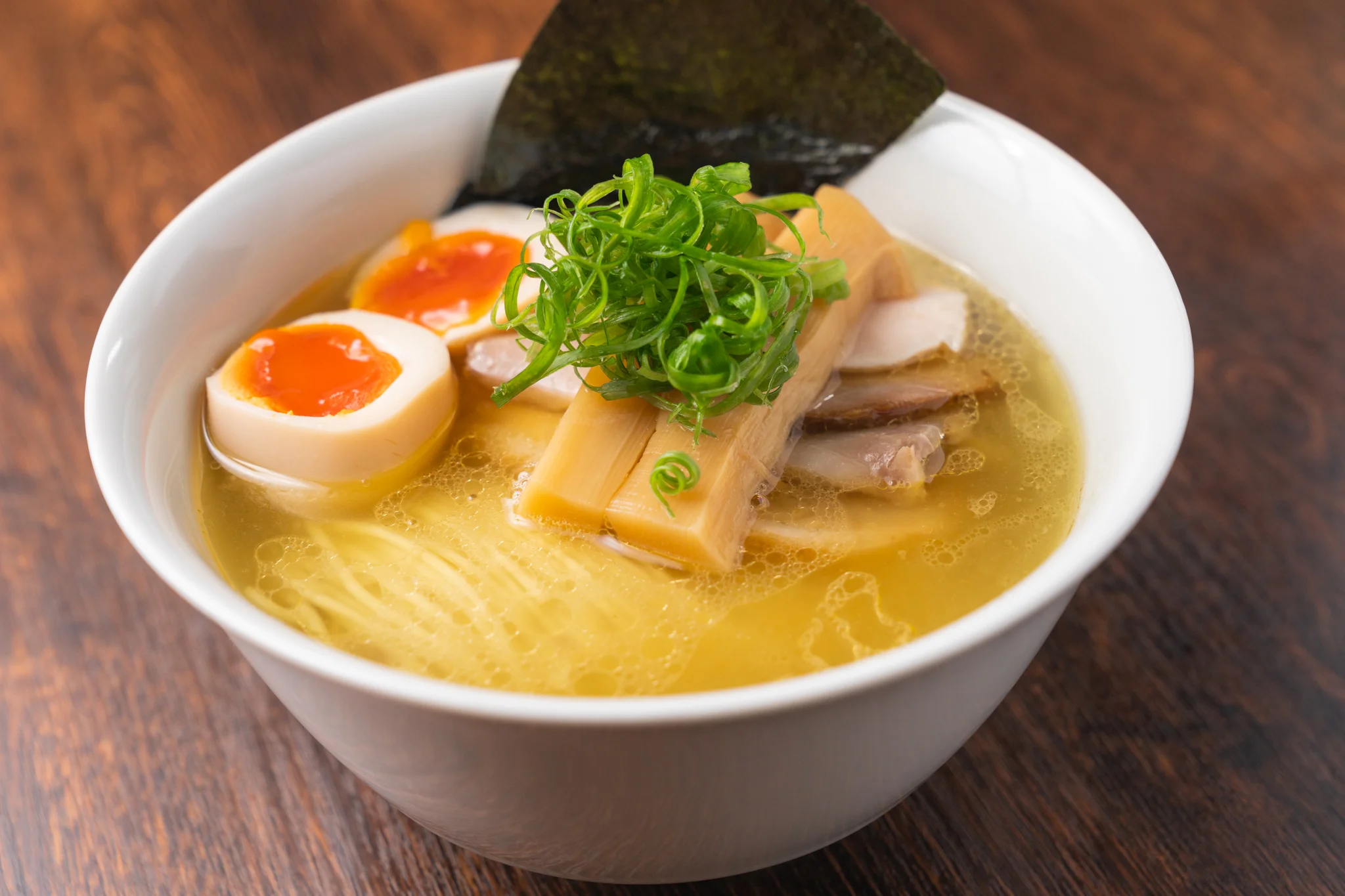
The beautifully clear broth of Daikinboshi's salt ramen
YamamotoThe broth is made from Daisen chicken stock and pork back-bone stock. We add kombu (kelp) to both.
AsamiWhat's distinctive about your niboshi ramen?
YamamotoAt my previous job, I worked at a shop that really specialized in niboshi ramen, and I learned a lot there. There are so many varieties of dried sardines, and the flavor changes completely depending on the region -- the Sea of Japan side, the Pacific side, Chiba, Ehime -- they're all completely different.
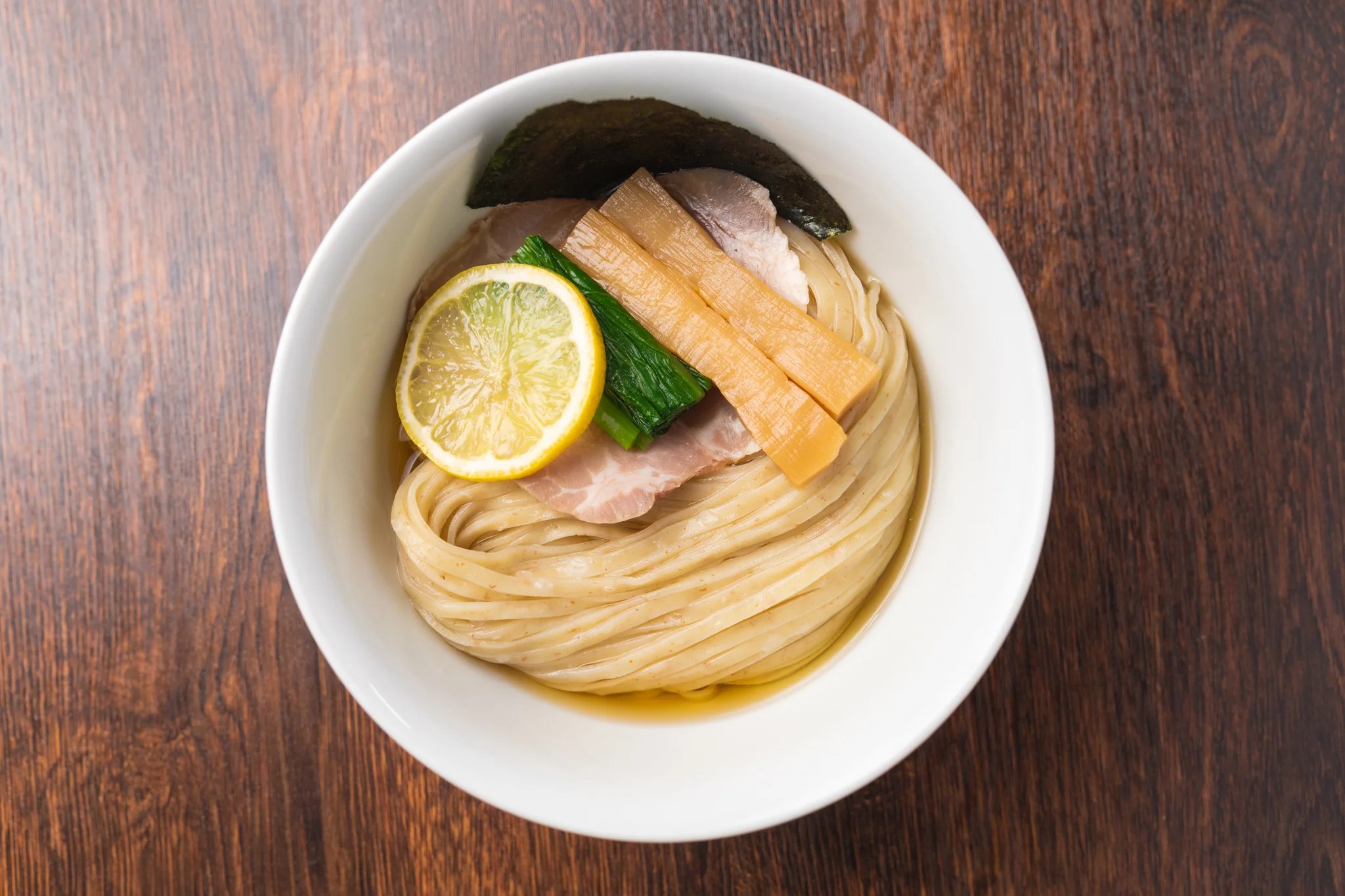
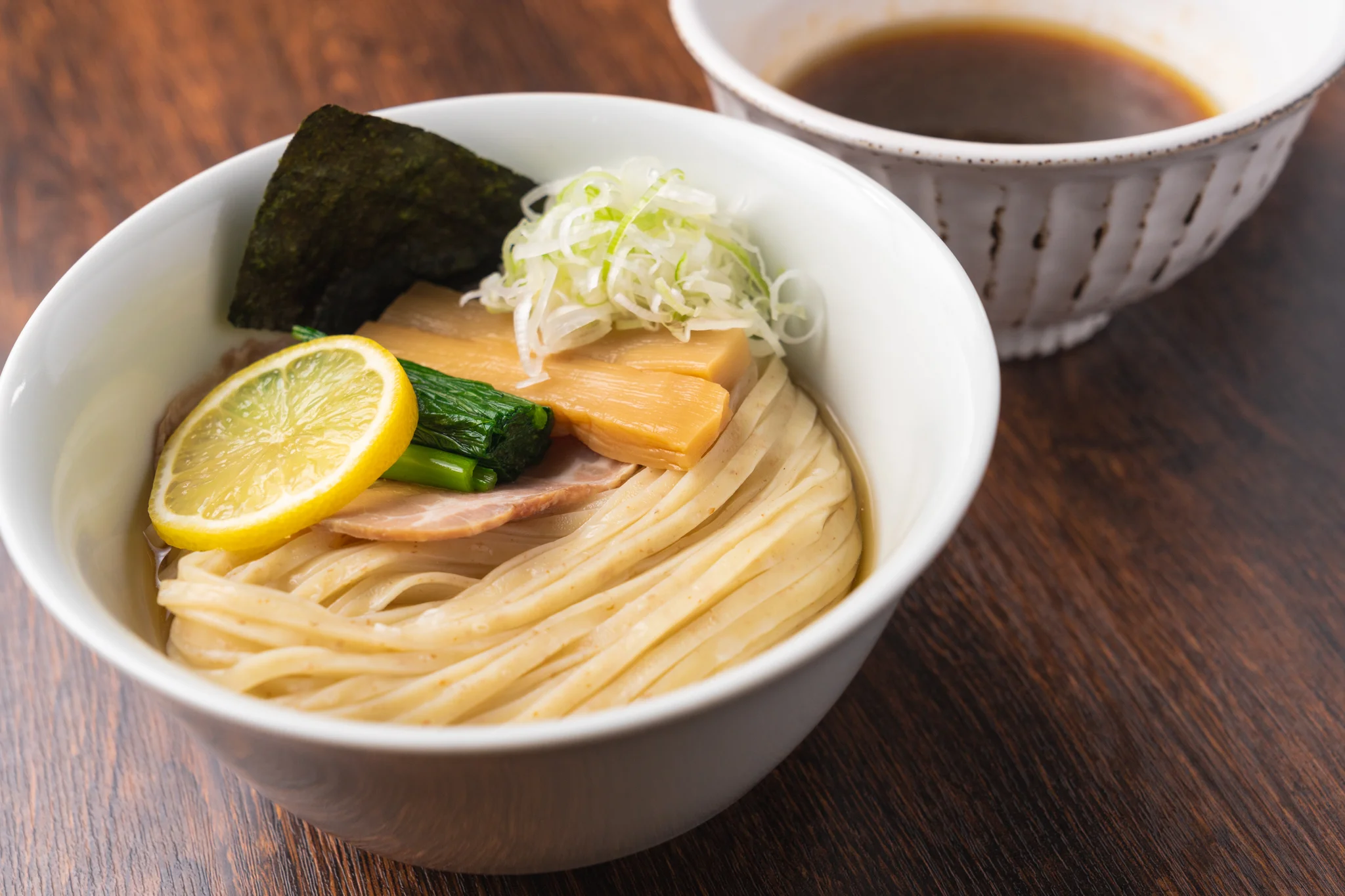
YamamotoFor the kombu water, we use the base portion of ma-kombu (true kelp). Ours gets quite thick and viscous. Some ramen shops have a lighter, runny kombu water, but I prefer it thick and sticky.
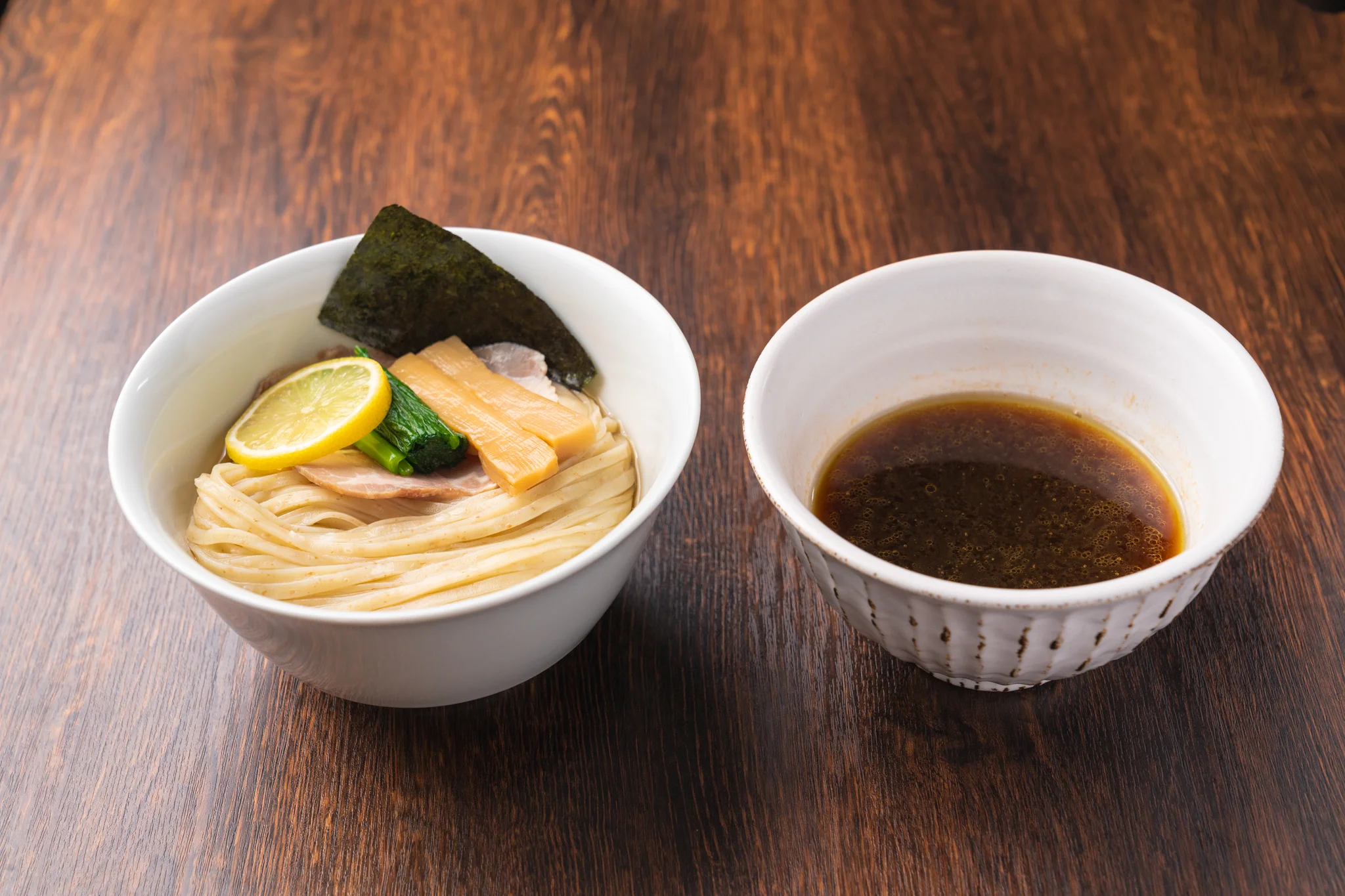
Tsukemen featuring the signature thick, sticky kombu water
03 The real draw: limited-edition bowls
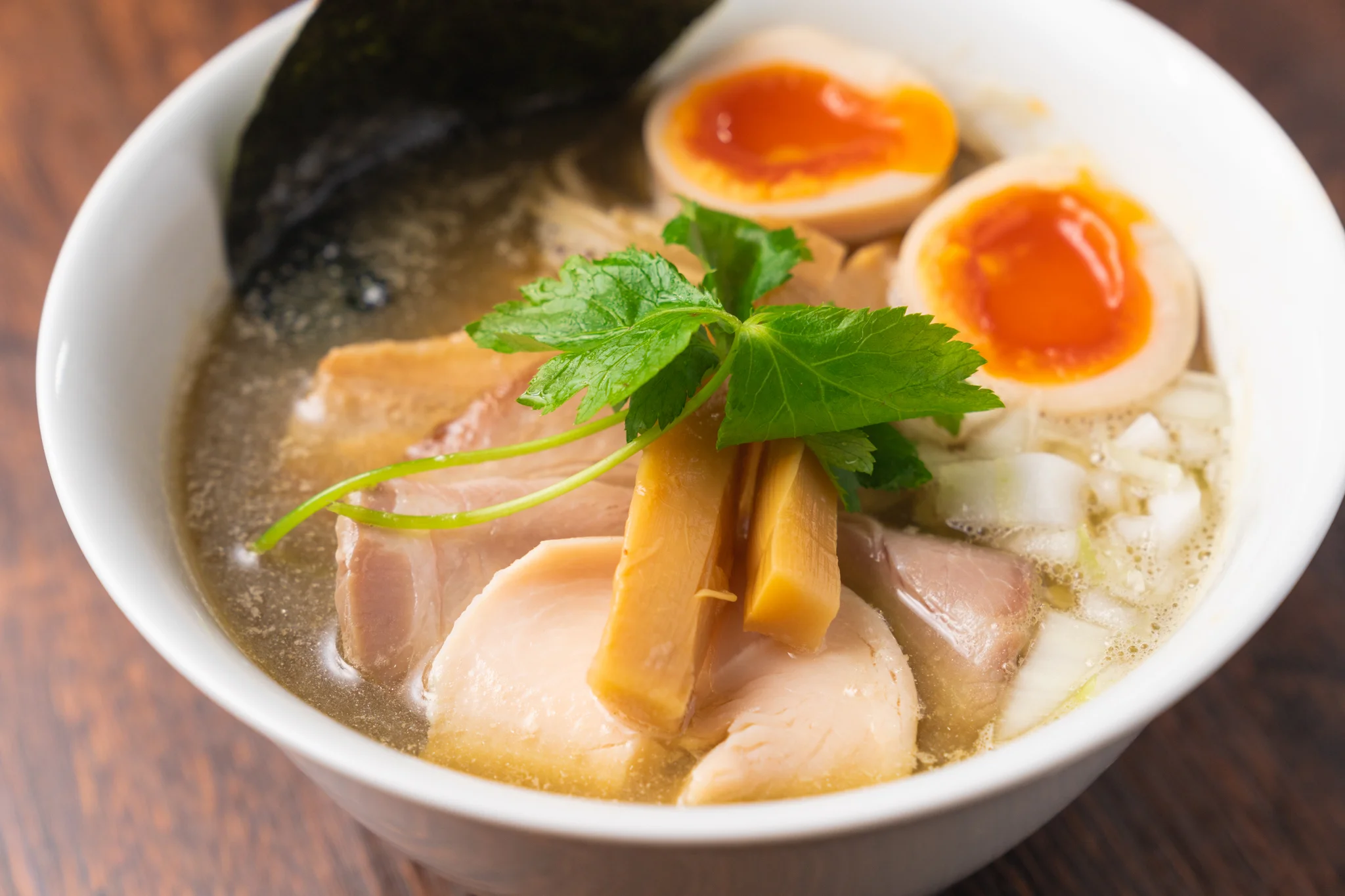
AsamiFor me, the thing that really defines Daikinboshi is the limited-edition ramen. You come out with a different ramen almost every day. It's pretty intense. What kinds of limited-edition bowls have you made so far?
YamamotoI've done mazesoba (mixed noodles), sea bream ramen, oyster ramen, squid-niboshi ramen... I think we have around five different types of mazesoba alone now.
I haven't told anyone this, but starting from October, I've been rotating one new item each month.
I love recreating regional ramen styles from around Japan.
— Yoshitaka Yamamoto YamamotoI've also done chicken paitan (rich white chicken broth), tom yum kung ramen, Okinawan soki soba, Jiro-style ramen, and more recently, iekei-style ramen and ramen-shop-style ramen. I love recreating regional ramen styles from around Japan.
YamamotoThere's a popular limited-edition tsukemen called the Seabura Tori Tsukemen (chicken back-fat tsukemen) -- it has cabbage in it, and people keep saying, "Please make this a permanent item!" A lot of customers come just for that, so I make sure to offer it at least once a week.
I think what I really enjoy is imagining how a dish would turn out if I tried to recreate it, and then serving locals something they've never tried before.
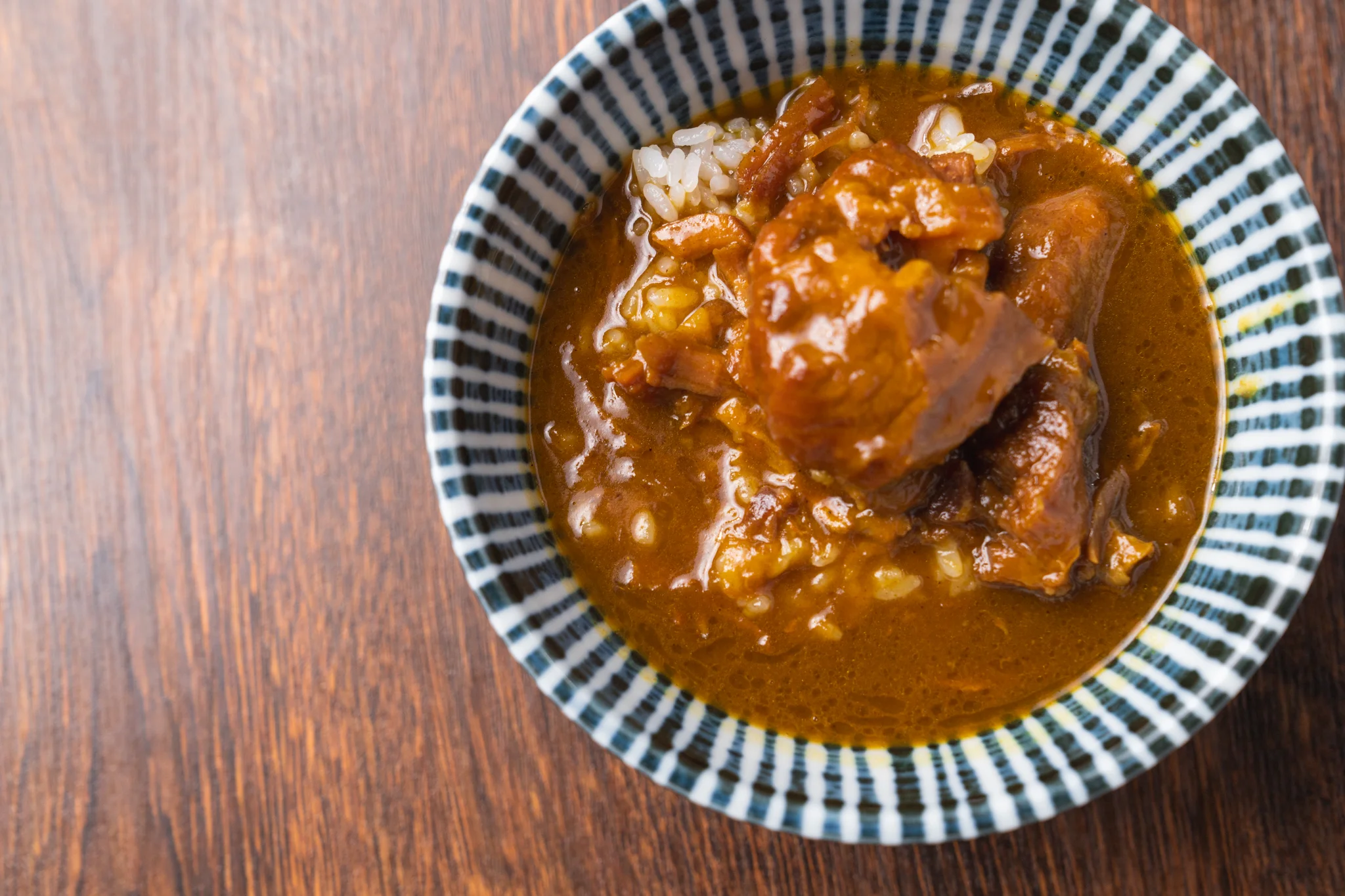
04 The regulars alone get boring — that's why I do specials
YamamotoWhen I launch a new limited-edition item, it draws a lot of different people, and on those days, about 70% of sales can come from the limited-edition bowl alone.
Most of our customers are local, so on a regular day outside of tourist season, I'd say 70-80% are locals or people who came for work. I think if we only had salt and soy sauce ramen on the regular menu, people would get bored, so the limited editions really matter.
05 "Just put it out there" — a habit from his training days
YamamotoI trained at about four ramen shops. At my very first shop, we were already doing one-day-only specials. It started as once a month, but over time it became an almost daily thing.
In terms of the variety of specials, the biggest influence was my last shop, Yoshikawa. When I said, "I want to make this kind of ramen," they'd let me try all sorts of things and taught me a lot.
If you try it and it doesn't work, just accept it and move on. Having a changeup means nothing if you never throw it.
— Yoshitaka Yamamoto 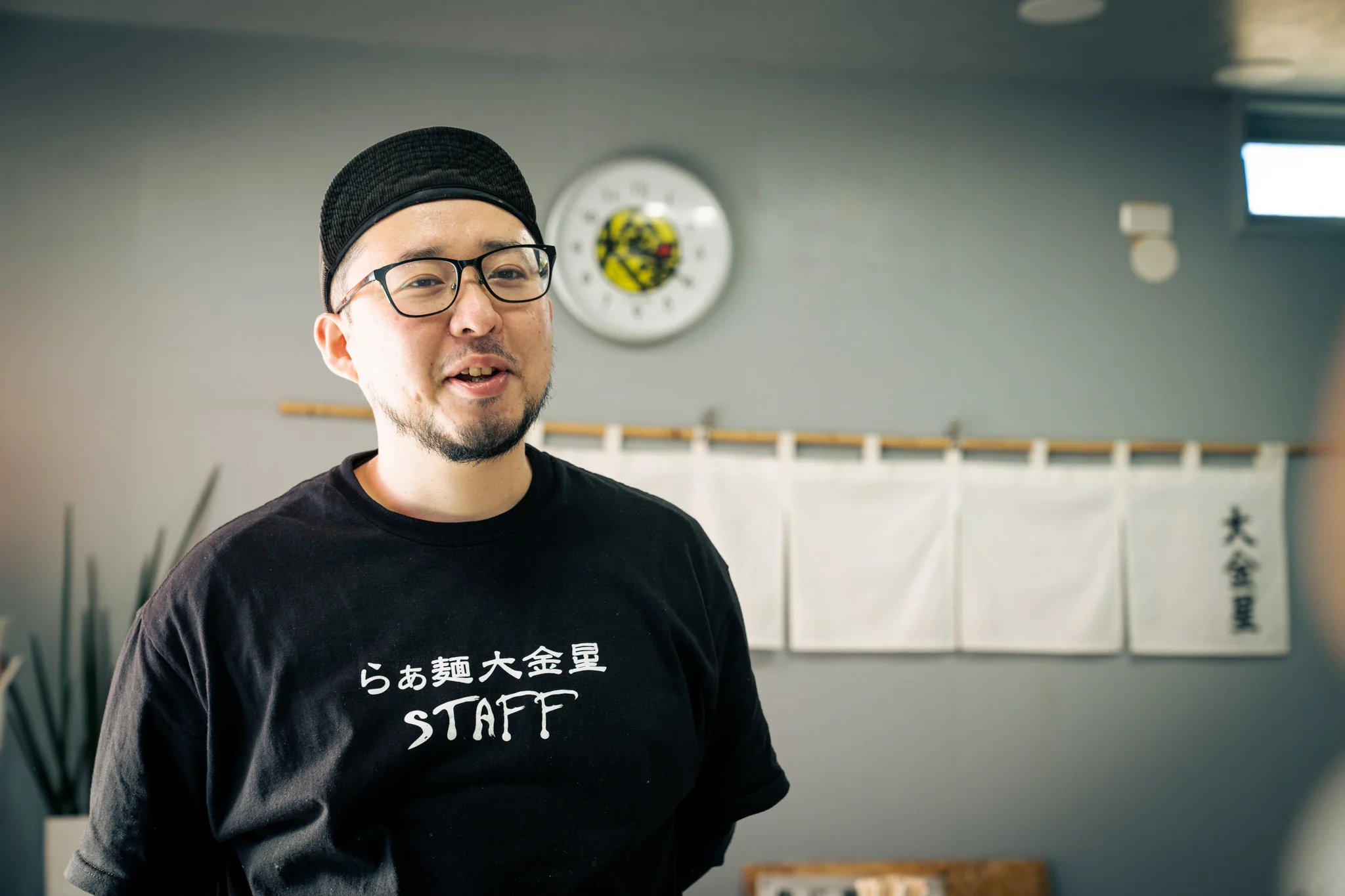
06 Building regulars takes more than one-off specials
AsamiHow often do your regulars come in?
YamamotoOur most frequent regular comes four or five times a week.
AsamiFour or five times a week?! That's incredible.
YamamotoIf I had to name one thing I do to build repeat customers, it's talking with them.
That said, I get told a lot that I look angry. When I'm quietly focused on cooking, people say, "You always look so intimidating." I'm not actually upset though (laughs).
YamamotoBut once we start chatting, people realize, "Oh, he's not like that at all." So please, everyone, get past that first impression. I'm really not angry (laughs).
07 Social media is free — so I post every day
AsamiYou're really active on social media, aren't you? That's how people find out about the limited editions.
YamamotoI think changing the limited edition every day keeps people from getting bored and keeps them watching. And at the end of the day, it's free advertising. My only goal is to make ramen that makes people think, "Today's special looks so good, I have to go" -- that's all I can do.
AsamiI remember the first time I visited, I had the soy sauce ramen and thought it was great. I followed your social media, and after that, your posts popped up in my feed every day. It meant I'd think about Daikinboshi at least once a day -- "Oh, tsukemen today," or "I really want that mazesoba." Every single time, I'd be fighting the urge to go (laughs).
YamamotoDuring my training days, I was told, "You need to post on social media every single day." My mentor said, "Post like it's your own shop," and that's when I started taking it seriously.
08 90 bowls a day, and still pushing
AsamiHow many bowls are you selling these days?
YamamotoIn terms of bowls, it's about 90 to 100. The average is probably around 90.
AsamiWould you like to push that number higher?
YamamotoDefinitely. Things like appearing at events, getting featured in Ramen Walker magazine, or going on TV make a big difference. TV is especially powerful.
09 Known locally — now it's time to reach further
AsamiWhat are your current challenges, or areas where you want to grow?
YamamotoI think locals are coming in pretty regularly now. We've got the awareness. Our social media following is a little over 3,000.
But I want to go further. I want more people across Saitama to know about us, and I want tourists to think, "If I'm going to Chichibu, I want to try Daikinboshi."
YamamotoBranding is my biggest weakness, but people often tell me the ramen itself is great, so I want to work on that side of things going forward.
Even if there's a line, if there are five groups or fewer, you should be able to get in fairly quickly. I never want anyone to wait more than 30 minutes.
10 Using local ingredients — without making a fuss about it
YamamotoI kind of separate Chichibu and Yokoze in my mind. Maybe that's something only people who live in the Chichibu area would understand.
But it's not like I'm not using local ingredients. I buy fresh produce from the JA farmers' market, I use local miso, I use Shimada soy sauce -- I'm actually using quite a lot of local stuff.
That's my challenge right there. Now I can see the problem and the solution.
— Yoshitaka Yamamoto AsamiYou should start spreading the word.
YamamotoYeah, let's spread the word (laughs).